


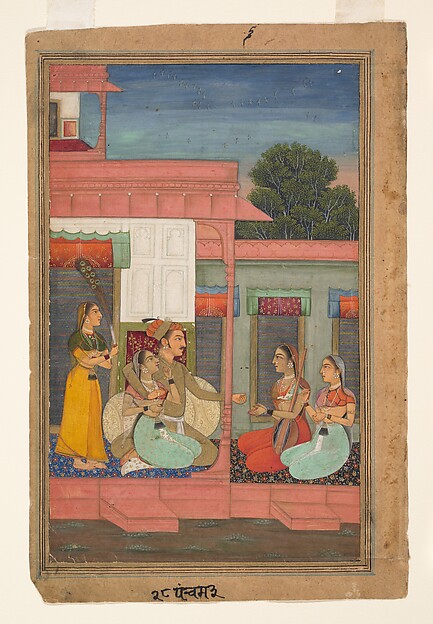
Bhajan is the devotional song of the Bhakti tradition — a poem of love and surrender to the divine, sung to be shared. Its words come from the poet-saints of South Asia: Kabir, Meera Bai, Surdas, Tulsidas and Narsinh Mehta among them. A bhajan can be a simple melody sung at morning aarti, or a full classical rendition in which a raag such as Bhairavi, Khamaj, Jhinjhoti, Jogia or Sohni carries the words — the form that khayal masters from Kumar Gandharva to Pandit Bhimsen Joshi made their own. On this page you will find rare bhajan recordings by classical artists, indexed by raag and recording year, as complete unabridged performances. Festival seasons — Janmashtami, Ganesh Chaturthi, Navratri and Diwali — are when bhajans are sung most, but the repertoire belongs to every morning and evening of the year.
Genre
Bhajan
Devotional Songs of the Heart
19 renditions
Bhajan Renditions


Frequently Asked Questions
A Bhajan is a devotional song of the Bhakti tradition — a poem of love and surrender to the divine, meant to be sung and shared. Its texts come from the poet-saints of South Asia (Kabir, Meera Bai, Surdas, Tulsidas, Narsinh Mehta) and range from simple temple melodies to full classical renditions set in a raag. Bhajans are sung in temples, homes, satsangs and concert halls across South Asia.
A bhajan is a composed devotional song, usually carried by a lead voice and text-led — a poem set to melody. A kirtan is congregational call-and-response chanting of sacred names and verses, repetitive by design and communal; in the Sikh tradition, Gurbani kirtan sets the Guru Granth Sahib to prescribed raags. Both live on Saarey Music: browse Kirtan alongside Bhajan.
Bhajans favour lighter, flexible raags — Bhairavi, Khamaj, Kafi, Pilu, Des and Jhinjhoti — and dawn raags such as Jogia and Bhairav for morning devotion. Classical masters also render them in full concert raags: the recordings on this page include bhajans in Raag Jhinjhoti, Shudh Sarang, Jogia, Sohni, Bhairavi and Khamaj.
The Bhakti poet-saints: Kabir (15th century) with his nirguni verses; Meera Bai and Surdas (16th century) singing to Krishna; Tulsidas, whose Ramcharitmanas gave the Ram bhajan tradition its language; and Narsinh Mehta of Gujarat, author of Vaishnav Jan To. Their poems have been set to music continuously for five centuries.
Every day at morning and evening aarti, and above all during the festival season: Janmashtami (August–September), Ganesh Chaturthi (September), the nine nights of Navratri (September–October) and Diwali (October–November). Ram bhajans and Krishna bhajans also mark Ram Navami and Ekadashi observances.
Saarey Music streams rare bhajan recordings by classical masters — complete, unabridged performances indexed by raag, artist and recording year — on the web at saareymusic.com and in the Saarey Music iOS and Android apps.